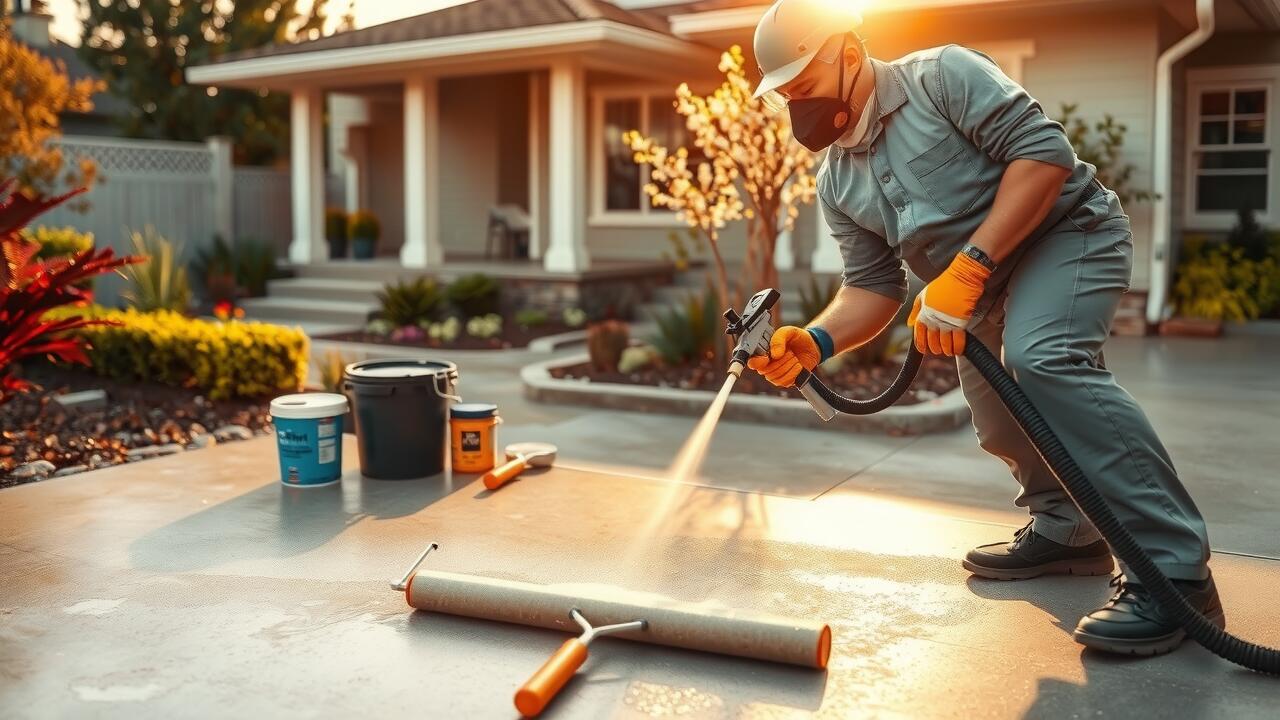
At Chandler Concrete AZ, we specialize in professional concrete sealing services designed to protect and enhance the longevity of your concrete surfaces. Our expert team utilizes high-quality sealants that act as a barrier against moisture, stains, and everyday wear and tear, ensuring that your driveways, patios, and walkways remain in pristine condition. By applying a durable seal, we not only prevent damage from harsh weather and UV rays but also enhance the aesthetic appeal with a polished finish. Trust Chandler Concrete AZ to keep your concrete surfaces looking fresh and lasting longer, making your investment worthwhile.
Best Practices for Concrete Surface Preparation
Proper surface preparation is essential for achieving lasting results when sealing concrete. Begin by thoroughly cleaning the surface to eliminate dirt, grime, stains, and other contaminants. This step often involves power washing or using a stiff brush combined with a suitable cleaner. Inspect the area for any signs of deterioration, such as cracks or spalling, and repair these issues prior to applying any sealant. For optimal adhesion, ensure the substrate is completely dry and free from moisture, as trapped water can compromise the effectiveness of the sealer.
After cleaning, consider the type of concrete being sealed. Different applications may require varying levels of preparation. For decorative concrete, addressing the surface profile can enhance traction and overall performance, while vessels like driveways or pavers might need a different approach. Always evaluate existing coatings; if layers of paint or sealant are present, they may need to be stripped away to allow the new sealant to properly bond with the substrate. Understanding the specific characteristics of materials like silicate and polyurethane sealers will further guide the preparation process and improve the results.
Ensuring Optimal Adhesion and Performance
Preparing the concrete surface properly is crucial for achieving optimal adhesion and performance in your sealing project. A clean surface free of grease, dirt, and contaminants is essential. Pressure washing often serves as a necessary step, effectively removing any residue that may hinder the bond between the sealer and the concrete. Additionally, considering porosity is important; more porous surfaces may require a more penetrative sealer to ensure that the material bonds effectively. If efflorescence is present, addressing it beforehand will prevent future issues with adhesion.
The application technique can also significantly affect the performance of the sealer. Using a sprayer can provide a uniform coat, while a roller or brush may be more effective for intricate areas. Always check the manufacturer’s specifications for application guidance that considers humidity, temperature, and curing times. Keeping the ideal conditions in mind helps to avoid complications such as peeling or flaking. Remember that different sealers, whether acrylic, latex, or polymer solutions, can offer various benefits like gloss, satin finishes, or increased abrasion resistance, making the choice critical for the project’s specific needs.
Maintenance Tips for Sealed Concrete
To maintain the appearance and integrity of sealed concrete surfaces, regular cleaning is essential. Use a soft bristle brush or mop along with a mild detergent to remove dirt and stains without damaging the sealant. It’s important to avoid harsh chemicals or abrasive cleaners that can wear down the protective layer. For outdoor surfaces, sweep away debris periodically to prevent issues caused by moisture retention or staining from organic materials.
Inspect the sealant periodically for signs of wear or damage, particularly in high-traffic areas. When the sealant begins to show signs of deterioration, such as dullness or loss of gloss, consider reapplying a fresh coat. Choosing the appropriate sealant will enhance longevity, especially in environments with extreme weather conditions. Always follow the manufacturer’s guidelines for maintenance to ensure optimal performance, including recommended reapplication schedules.
Keeping Your Sealed Surfaces Looking Great
Regular maintenance is essential for preserving the appearance and longevity of sealed concrete surfaces. Start by using a suitable degreaser to remove grease or oil stains, ensuring the surface remains clean and free of contaminants that might compromise the integrity of the seal. For cleaning, a pressure washer can effectively remove dirt and debris without damaging the concrete, but care must be taken not to use too high a pressure, which could potentially etch the surface. After cleaning, inspect the area for any signs of wear or damage and repair as needed to maintain a uniform look.
The choice of cleaning products plays a significant role in the upkeep of sealed surfaces. For instance, avoid harsh chemicals like toluene or naphtha that could degrade the sealant and affect indoor air quality. Instead, consider using pH-neutral cleaners that are safe for sealed concrete. In humid environments, it’s crucial to address any potential issues related to moisture penetration or the alkali-silica reaction (ASR). Regular reapplication of the concrete seal, according to the manufacturer’s warranty and recommendations, can help sustain the desired sheen, whether a matte finish or a glossy look, ensuring your sealed concrete remains beautiful over time.
Choosing the Right Concrete Sealer
Selecting the appropriate concrete sealer is crucial for preserving the integrity of various surfaces, including flatwork and flooring. Different types of concrete, such as porous cinder blocks or finished slabs, require specific formulations to ensure maximum protection against water damage and abrasion. A sealer’s viscosity affects how well it penetrates the surface, and factors like the freeze point and coefficient of friction are also important for environments exposed to harsh weather conditions. For projects like parking garages or outdoor patios, specialized products, such as silanes or urethanes, can provide additional durability and UV protection.
Understanding the specific needs of your project can inform your choice further. For instance, those seeking eco-friendliness might lean toward low VOC options or natural sealers like boiled linseed oil. Ventilation during application is essential for safety and optimal performance, particularly with solvent-based products. Always consult the safety data sheet (SDS) to inform your handling procedures and ensure compliance with industry regulations. Keeping an eye on trends and utilizing service bundling for purchasing can also enhance both the quality and value of your concrete sealing solutions.
Factors to Consider for Different Applications
When selecting a concrete sealer for specific applications, it is crucial to consider the environmental conditions and expected wear and tear. For outdoor surfaces such as decks, exposure to weather elements plays a significant role in the durability of the sealer. In colder climates, a winter-grade product might be necessary to accommodate low temperatures and prevent issues like cracking or peeling. For areas with high moisture levels, using a sealer with good water resistance can help mitigate hydrostatic pressure effects.
Applying a sealer in areas where chemicals are prevalent, like garages or industrial settings, necessitates choosing a product that can withstand fuel, oils, and solvents. Non-flammable and chemical-resistant sealers are ideal for these applications, as they offer protection against stains and potential reactions with harmful substances. Understanding the substrate also informs the choice, particularly for versatile surfaces; different materials, like limestone or polymer, may require distinct types to ensure proper adhesion and performance.
FAQS
What is concrete sealing?
Concrete sealing is the process of applying a protective coating to the surface of concrete to enhance its durability, prevent moisture intrusion, and reduce staining.
Why is surface preparation important before sealing concrete?
Proper surface preparation is crucial because it ensures optimal adhesion of the sealer, which improves the performance and longevity of the seal. Clean, dry surfaces allow the sealer to bond effectively.
How often should sealed concrete be maintained?
Sealed concrete should be maintained regularly, typically every 1 to 3 years, depending on the type of sealer used and the level of wear and tear the surface experiences.
What factors should I consider when choosing a concrete sealer?
When selecting a concrete sealer, consider the specific application (indoor or outdoor), the type of exposure (UV, moisture, chemicals), the desired finish (glossy or matte), and the porosity of the concrete.
Can I seal new concrete right after it is poured?
It is generally recommended to wait at least 28 days for new concrete to cure properly before applying a sealer, as this allows for moisture to escape and prevents issues with adhesion.