Additional Features and Customizations
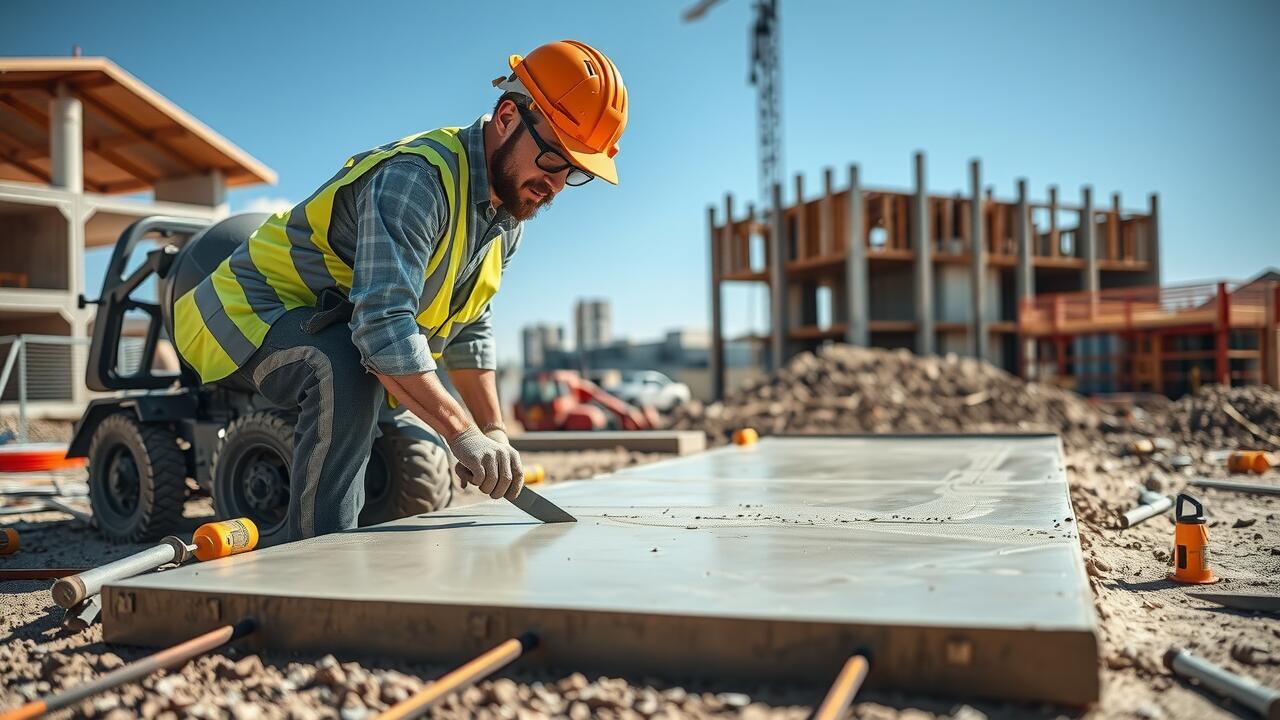
When planning a concrete slab installation, many homeowners consider additional features that can enhance both functionality and aesthetics. Options such as reinforced steel mesh or fiber reinforcement can increase the durability of the slab. Additionally, incorporating expansion joints may help manage potential cracking from temperature fluctuations. These customizations often add to the upfront costs but can lead to long-term benefits through increased longevity.
Surface finishes are another way to customize a concrete slab installation. Textured finishes, such as stamped or broom-finished surfaces, provide not only visual appeal but also improved traction, making them an ideal choice for outdoor spaces. Coloring options and sealants can further enhance the look and protect the concrete from stains and wear over time. While these features contribute to the overall cost, they may be worthwhile investments for homeowners seeking a specific appearance or functional properties in their concrete slab.
Surface Finishes and Textures
The choice of surface finishes and textures can substantially influence the overall cost of a concrete slab installation. A basic smooth finish may be the least expensive option, while stamped or stained finishes can add a significant premium. Textures like broom finishes or exposed aggregate are often used for aesthetic appeal and practicality, as they can enhance traction and durability. Each finish comes with its preparation and application requirements, which can impact labor costs.
When selecting finishes, it’s essential to consider not just the visual impact but also the long-term maintenance of the surface. Some finishes may be more prone to wear and require additional upkeep. Options like sealants can provide added protection but may lead to further expenses down the line. Ultimately, the desired finish should align with both the budget and intended use of the concrete slab installation.
Geographic Location Impact
The geographic location plays a significant role in determining the cost of concrete slab installation. Regions with higher living costs often have increased labor rates, which can elevate the overall expense of the project. Additionally, local building codes and regulations may require specific materials or techniques that could further influence pricing variations across different areas.
Climate also affects the materials and methods used in concrete slab installation. In colder regions, contractors might need to incorporate additives to prevent freezing during curing, while warm climates may necessitate different approaches to prevent cracking. Local demand for construction services can lead to fluctuations in pricing, making it essential to consider location-specific factors when budgeting for a concrete slab.
Regional Pricing Variations
The cost of concrete slab installation can vary significantly across different regions in the United States. Urban areas often experience higher labor and material costs due to increased demand and a higher cost of living. In contrast, rural regions may offer more affordable options, although the availability of skilled labor might be limited. Local pricing can also be influenced by the proximity of suppliers, which affects material transportation costs.
Certain states are known for having higher baseline costs associated with construction and concrete work. For instance, coastal states and regions that are prone to natural disasters may impose additional fees for compliance with safety regulations. This regional pricing variation means that while homeowners may expect a standard price per square foot in one area, they might encounter different estimates when they seek concrete slab installation quotes in another.
Seasonal Considerations
Seasonal factors play a significant role in the overall cost of concrete slab installation. During warmer months, labor rates may be higher due to increased demand for construction projects. Concrete tends to cure more effectively in optimal weather conditions, which can speed up the installation process and potentially save on labor costs. However, late spring to early fall often sees a surge in projects, leading to inflated prices and longer wait times for skilled workers.
In contrast, winter months present unique challenges for concrete slab installation. Cold temperatures can hinder the curing process, requiring additional measures to ensure proper hardening. Extra materials, such as heating blankets or additives, might also be necessary to prevent freeze damage. These precautions can drive up costs substantially, making it essential for homeowners to consider seasonal timing when planning their project.
Weather Impact on Pricing
Weather conditions can significantly influence the cost of concrete slab installation. Hot temperatures can accelerate the evaporation of moisture, which may require additional measures such as the use of retarders or extra water to be added. These factors can increase labor costs and necessitate more materials to ensure the slab cures properly. Conversely, cold weather can slow down the curing process. Contractors might need to use special curing blankets or heaters, adding to the overall expense.
Rain or excessive moisture can also disrupt project timelines and lead to price fluctuations. On days of bad weather, work may need to be halted, delaying the installation and pushing the project into the next scheduling window. This can result in additional charges for equipment and labor as contractors adjust their schedules. Therefore, understanding the seasonal weather patterns in your area can help in estimating the budget for your concrete slab installation more accurately.
FAQS
What is the average cost of laying a 20×20 concrete slab?
The average cost typically ranges from $1,500 to $4,000, depending on various factors such as location, materials, and labor.
What additional features can increase the cost of a concrete slab?
Additional features such as decorative finishes, reinforced structures, or custom shapes can increase the overall cost significantly.
How does geographic location affect the cost of laying a concrete slab?
Geographic location impacts labor rates, material availability, and local regulations, which can lead to significant pricing variations across different regions.
Are there seasonal considerations that might influence the cost of a concrete slab?
Yes, seasonal factors such as weather conditions can affect the pricing, as concrete pouring is generally less favorable during extremely cold or rainy months.
What are some common surface finishes for concrete slabs?
Common surface finishes include stamped, stained, polished, and brushed textures, each having different costs associated with them.