Techniques for Achieving a Smooth Finish
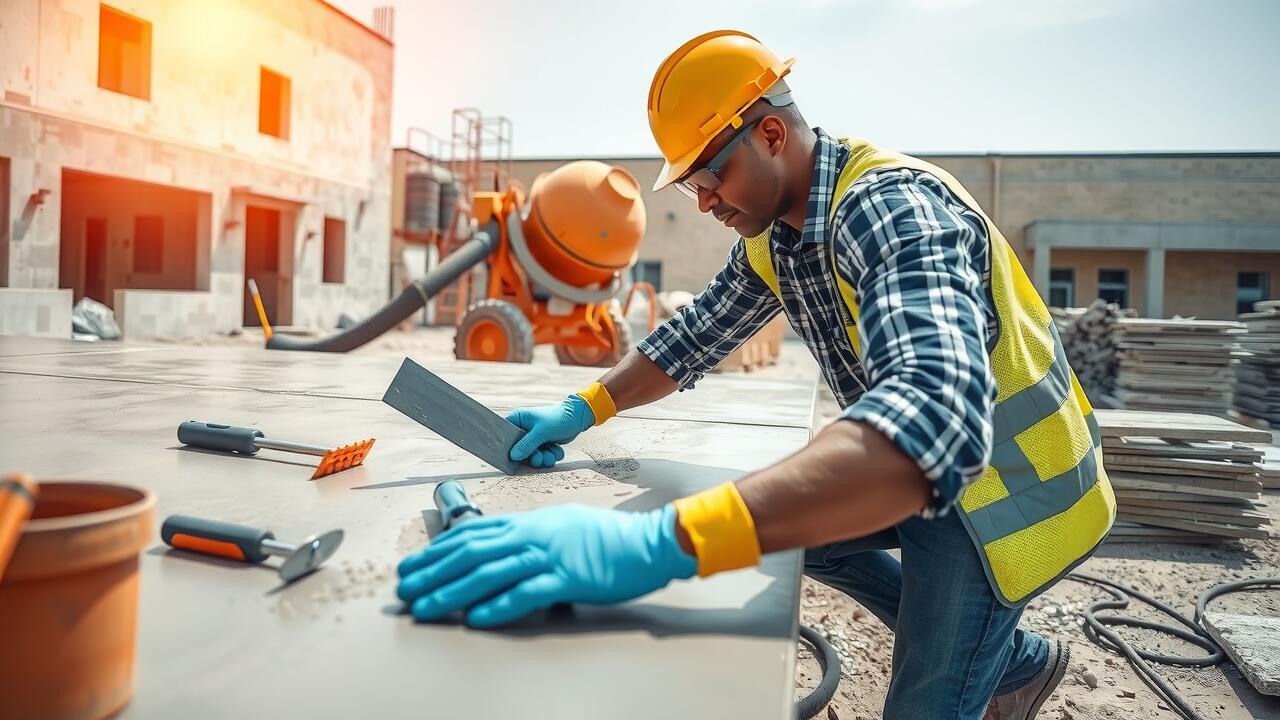
Achieving a smooth finish on concrete surfaces is essential for both aesthetic appeal and durability. A trowel is commonly used for this purpose. The initial stages involve pouring the concrete and using a screed to level it out. Once the concrete begins to set, the leading edge of the trowel helps achieve a consistent surface. A magnesium trowel may be preferred for finishing due to its lightweight nature, which allows for greater control during the process.
After initial troweling, sometimes a broom finish is applied for added traction, especially in driveways and patios. In decorative concrete applications, stamped patterns can enhance visual interest while still providing a smooth base. Applying the right finishing technique not only elevates the overall appearance but also bolsters the longevity of the slab, ensuring it withstands the elements without cracking or chipping. A sealant can further protect the surface while enhancing its aesthetic qualities, making it suitable for areas like walkways and swimming pools.
Methods to Eliminate Imperfections
Achieving a flawless concrete surface requires attention to detail and the right techniques. Start by utilizing a straightedge to check for high and low areas, allowing for a more uniform finish. Employ grinding tools to smooth out rough surfaces, paying particular attention to imperfections left by uneven pouring. Using abrasives can help polish the surface, while stenciled patterns can mask minor blemishes effectively. Regular monitoring of humidity levels during the curing process is essential, as excessive moisture can lead to distortion and stains.
After identifying and addressing surface flaws, consider applying a slurry mixture for an added layer of protection. This option not only fills in voids but also enhances durability against wear and chemical damage. For decorative projects, incorporating epoxy resin can offer both aesthetic appeal and a resilient surface. Pay close attention to the angle and motion of your finishing strokes to prevent issues like shrinkage and cracking. Regular cleaning and maintenance, especially in high-traffic areas, will further ensure the longevity of the finish and reduce the overall appearance of imperfections.
Advantages of Different Finishing Styles
Concrete finishing offers various styles that can significantly enhance both functionality and aesthetic value. Options like polished finishes provide a sleek appearance while increasing durability and reducing wear and tear. Stained concrete serves as a versatile choice, allowing for creative décor that mimics the appearance of materials like stone or wood. These finishes can be customized to provide traction control, ensuring safety on surfaces like porches and driveways, especially during inclement weather. The proper finishing method not only influences the overall look but also contributes to the lifespan of the concrete through better resistance to water infiltration and environmental factors.
Different finishing styles also come with unique advantages suited for specific applications. For example, a broom finish can create a textured surface ideal for outdoor hardscapes, improving grip and reducing slipping hazards. Alternatively, smooth finishes achieved with power trowels are perfect for indoor spaces where a sleek look is desired. The decision regarding which style to implement often considers factors such as cost, maintenance requirements, and the desired effect in the overall design. From acid-etch finishes to the use of epoxy and recycled glass, varying techniques can meet both practical needs and aesthetic preferences in renovation projects.
Enhancing Durability and Aesthetic Appeal
Integrating various finishing techniques can significantly enhance both the durability and aesthetic appeal of concrete surfaces. For instance, the application of epoxy or urethane coatings not only provides a protective layer against wear and tear but also offers a polished look that can mimic more expensive materials such as granite. Utilizing stenciled concrete or adding recycled glass aggregates can elevate the visual impact, making concrete a versatile choice for residential and commercial projects alike.
The water-cement ratio plays a crucial role in achieving desired strength and surface finish. A lower water-cement ratio typically results in a denser concrete that is more resilient against cracking and damage. In addition, the use of industrial diamonds for polishing and finishing ensures a smooth, attractive surface while also improving skid resistance. Effective sealing methods can protect against water damage, preserving the structure’s integrity over time.
Common Challenges in Concrete Finishing
Concrete finishing presents a variety of challenges that contractors need to navigate effectively. Issues such as cracking, crazing, and curling can arise due to fluctuations in temperature and humidity, which affect the curing process. Certain climates increase the risk of these defects, particularly in extreme heat or cold. Solutions often involve using release agents and quick-setting compounds to minimize complications. Additionally, poor subgrade conditions can lead to uneven surfaces, making the final finish appear far less professional than intended.
Another significant concern in concrete finishing is the potential for staining and discoloration, especially when using decorative options like exposed concrete or colored aggregates. Variations in material quality, such as the type of sand or gravel, can impact the overall aesthetic. Malleable materials like clay or quartz might provide some flexibility, but they still require careful attention to detail. Contractors need to be equipped with the right technologies and tools, such as diamond grinders, to address imperfections while enhancing the final product’s durability and appearance.
Addressing Issues Like Cracking and Uneven Surfaces
Cracking and uneven surfaces present significant challenges in concrete finishing, often resulting from improper mixing, curing, or environmental conditions. The presence of silica and the choice of aggregates, such as seashells or stone, can impact strength and durability. To counter these issues, contractors employ a variety of tools. For instance, concrete screeds help level the surface during the pouring process, while a floater smooths it out afterward. Maintaining clean water supplies during mixing and ensuring the right consistency is crucial to avoid defects.
Uneven surfaces can also arise from inadequate preparation or failure to account for weather influences. An effective strategy includes closely monitoring curing conditions and utilizing sealers to protect the concrete from moisture infiltration and chemical reactions that may lead to cracking. During the finishing phase, wearing safety glasses and rubber gloves is essential to protect against dust and harmful substances. Employing proper finishing techniques, such as chamfering edges and using brushes or sprayers for textural designs, can enhance both the durability and the aesthetic appeal of the final surface.
FAQS
What is concrete finishing?
Concrete finishing is the process of treating the surface of freshly poured concrete to achieve a smooth and aesthetically pleasing appearance, enhancing its durability and functionality.
What techniques can be used to achieve a smooth finish on concrete?
Techniques for achieving a smooth finish include troweling, floating, and using screeds, along with the application of finishing compounds to enhance the surface texture.
How can imperfections in concrete be eliminated?
Imperfections can be eliminated by methods such as grinding, polishing, or applying concrete overlays, which help create a uniform surface and remove blemishes.
What are the advantages of different finishing styles?
Different finishing styles offer various benefits, such as improved slip resistance, enhanced aesthetic appeal, and increased durability, catering to specific project requirements and environmental conditions.
What common challenges are faced in concrete finishing?
Common challenges include cracking, uneven surfaces, and discoloration, often caused by improper curing, environmental factors, or poor mixing ratios. Addressing these issues promptly can help maintain the quality of the finished surface.